

MIAMI — Chile’s top prosecutor traveled to the U.S. Department of Justice on Monday and made a request that would have been impossible just three months ago: question Nicolás Maduro—who is now sitting in a federal detention center in Brooklyn—about his alleged role in the assassination of a Venezuelan dissident on Chilean soil.
Chilean Attorney General Ángel Valencia met with U.S. Attorney General Pam Bondi at DOJ headquarters in Washington on Monday, formally requesting that Maduro be interrogated in connection with the February 2024 murder of former Venezuelan army lieutenant Ronald Ojeda, who had been living in Santiago as a political asylum holder.
“Attorney General Bondi conveyed the willingness of the United States Department of Justice to continue cooperating in clarifying the murder of Lieutenant Ronald Ojeda—not only considering the request for Maduro’s statement, but also providing all the information, background, and evidence they are gathering,” Valencia said following the meeting.
Ojeda—32 at the time of his death—was born in Maracay, Venezuela on September 2, 1991. He was arrested by the Maduro regime in April 2017, accused of rebellion and treason for his involvement with the Movement for Liberty and Democracy—a group of anti-Chavista military officers. He alleged he was tortured during his period in detention. In November 2017, Ojeda escaped during a prison transfer when a shootout with police killed one of his fellow escapees. He fled to Peru and eventually settled in Chile, where he was granted political asylum in 2023.
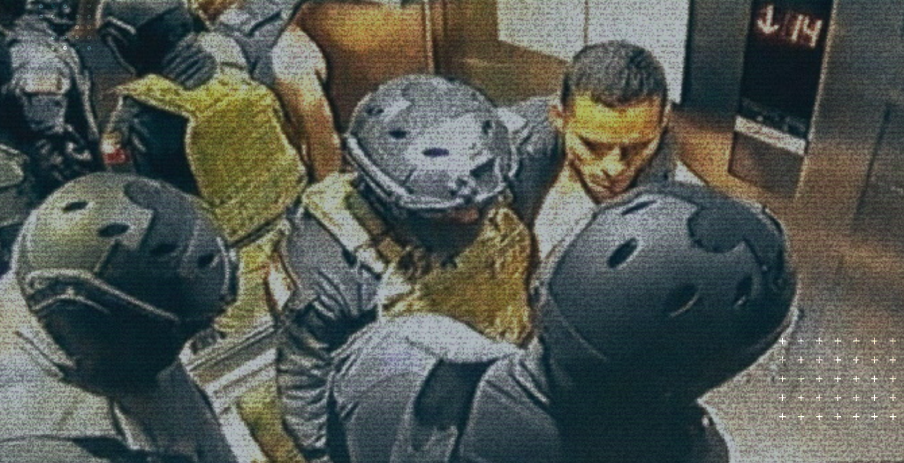
On February 21, 2024, four armed men posing as Chilean investigative police officers abducted Ojeda from his Santiago apartment at 3 a.m.—in front of his wife and child. His dismembered body was found ten days later, buried in a suitcase beneath a concrete slab in the Santiago suburb of Pudahuel, with quicklime used to accelerate decomposition.
The investigation, led by Chilean prosecutor Héctor Barros, concluded the killing was politically motivated and possibly orchestrated by Venezuelan authorities with the direct involvement of the Tren de Aragua—the Venezuelan transnational criminal organization.
Three witnesses implicated the Maduro government directly. Chilean prosecutors have since charged 19 individuals in connection with Ojeda’s murder.
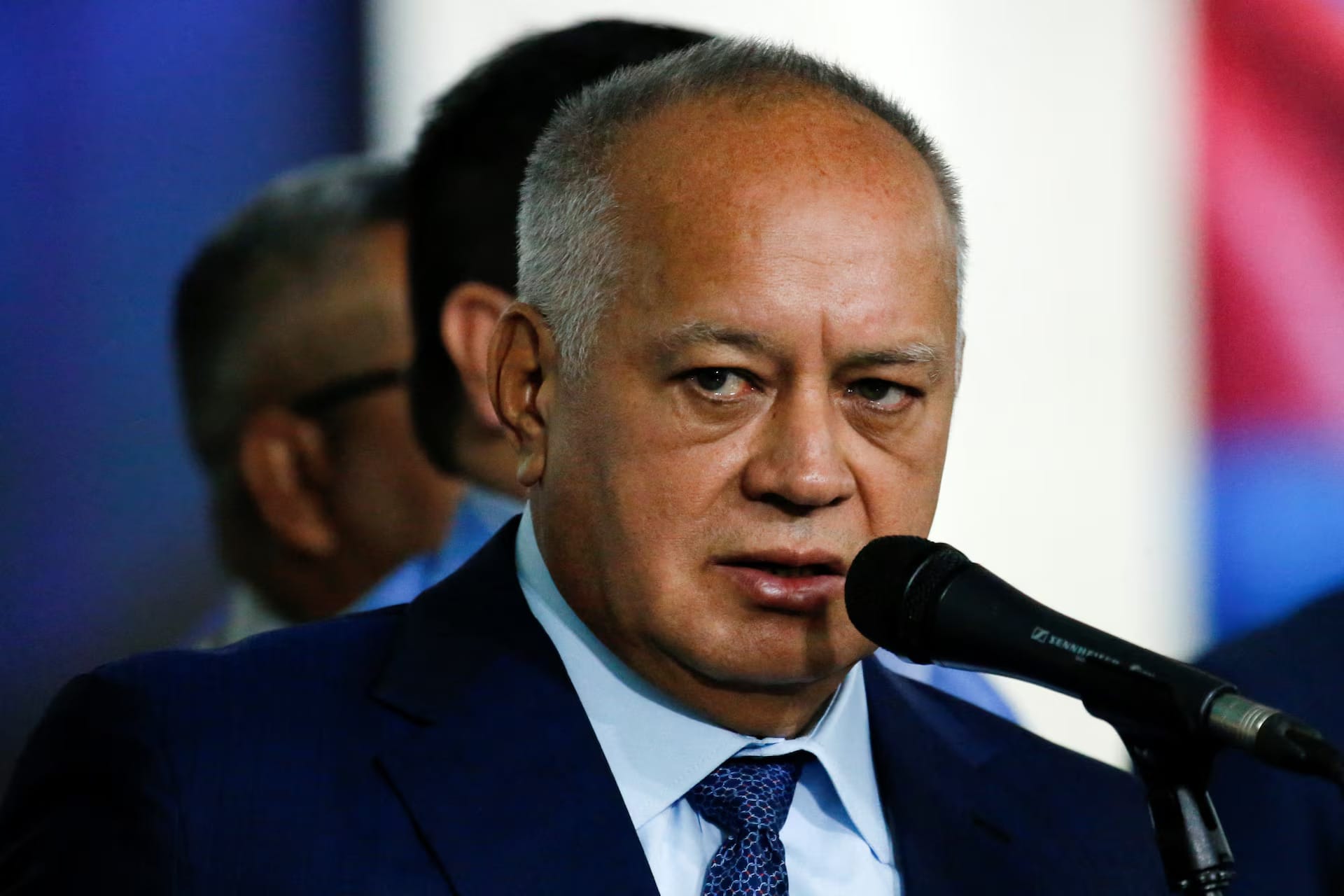
The Chilean prosecution’s central suspicion points beyond Tren de Aragua’s foot soldiers to the top of Venezuela’s former government. Investigators believe former Interior Minister Diosdado Cabello—now himself named in the U.S. superseding indictment against Maduro—may have participated in planning or ordering the assassination.
Cabello has denied the allegations.
Venezuela’s attorney general claimed the killing was a false-flag operation orchestrated by Chile itself.
The request places Maduro in an extraordinary legal position. Maduro remains in federal custody at the Metropolitan Detention Center in Brooklyn, awaiting trial on narco-terrorism and drug trafficking charges following his capture by U.S. special forces in Caracas on January 3. His next scheduled court appearance is March 26.\
Valencia acknowledged that the outcome of a Maduro interrogation depends entirely on a factor outside Chilean prosecutors’ control: “It also depends on Maduro’s willingness to cooperate.” Despite that uncertainty, Valencia described Bondi’s response as “very favorable” and “very positive.”
"We are leaving very happy,” Valencia said.
The Monday meeting also addressed broader bilateral cooperation on money laundering, illicit financial flows, and the joint pursuit of Tren de Aragua’s operations in Chile—a network that Chilean and U.S. prosecutors now view as inextricably linked to state-sponsored political violence originating in Caracas.
The Ojeda case has produced significant diplomatic consequences. His death intensified international scrutiny of the Maduro government at a critical moment—contributing to a climate in which Washington, Santiago, and Buenos Aires all escalated pressure on Caracas simultaneously throughout 2024 and 2025.
For Chile’s new President José Antonio Kast—who has made security cooperation with Washington a cornerstone of his administration’s foreign policy—the DOJ meeting represents an early and concrete expression of the bilateral alignment he pledged during his campaign.


